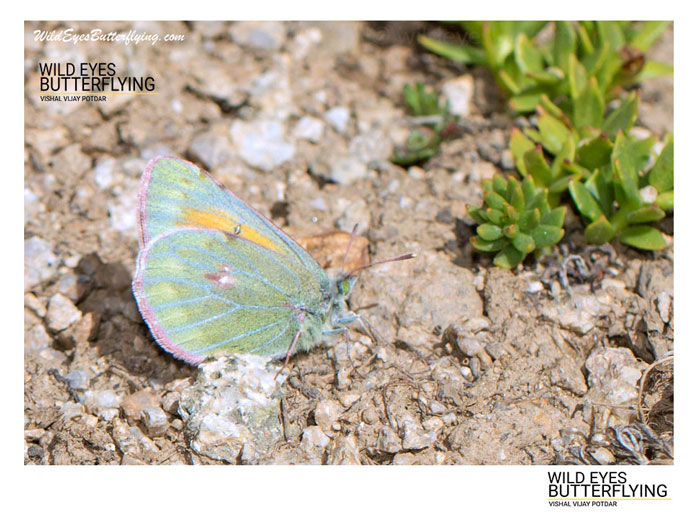
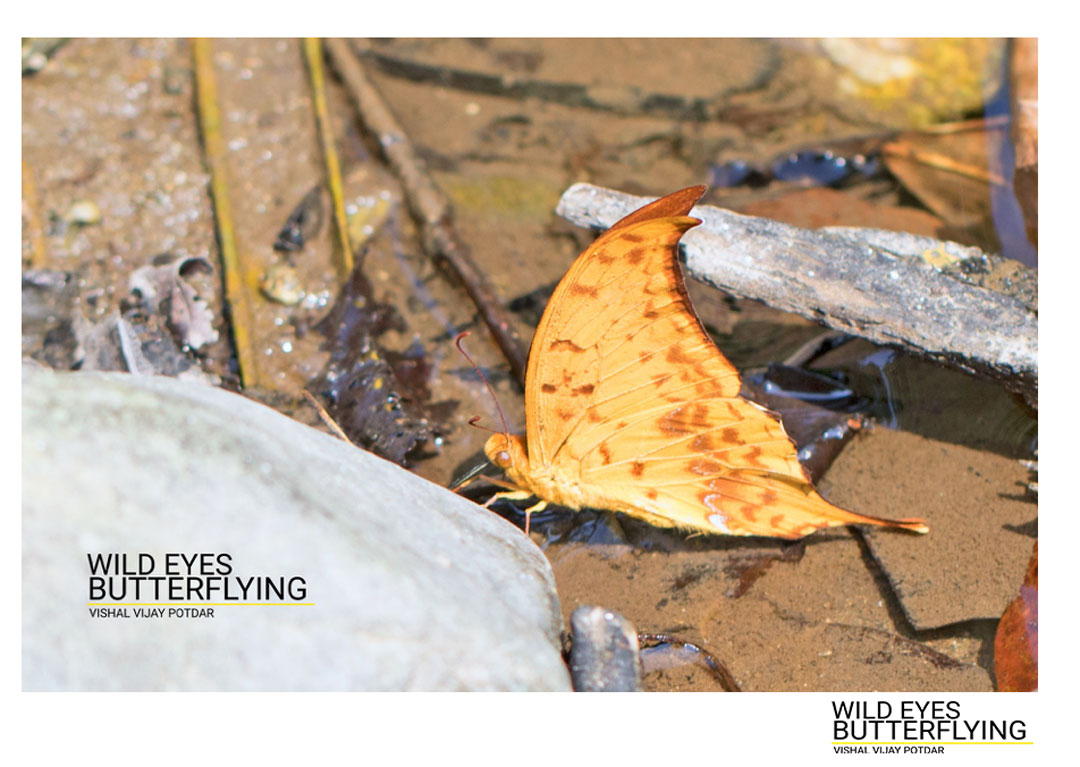
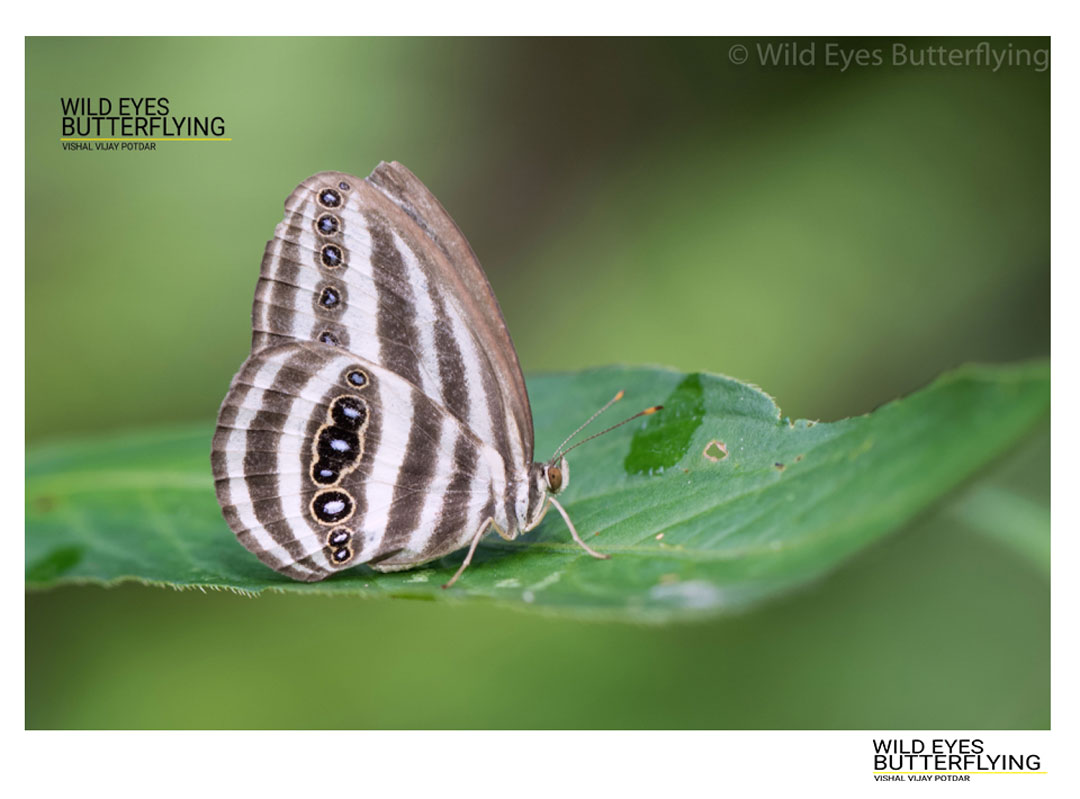
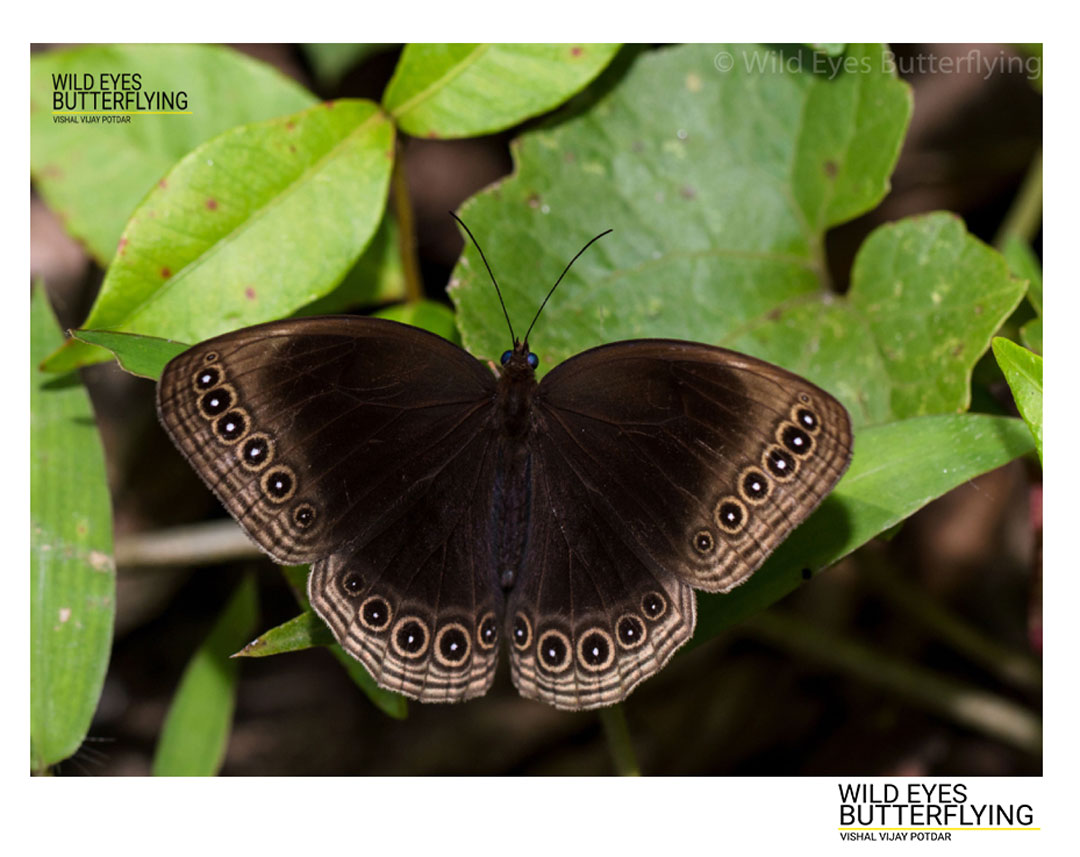
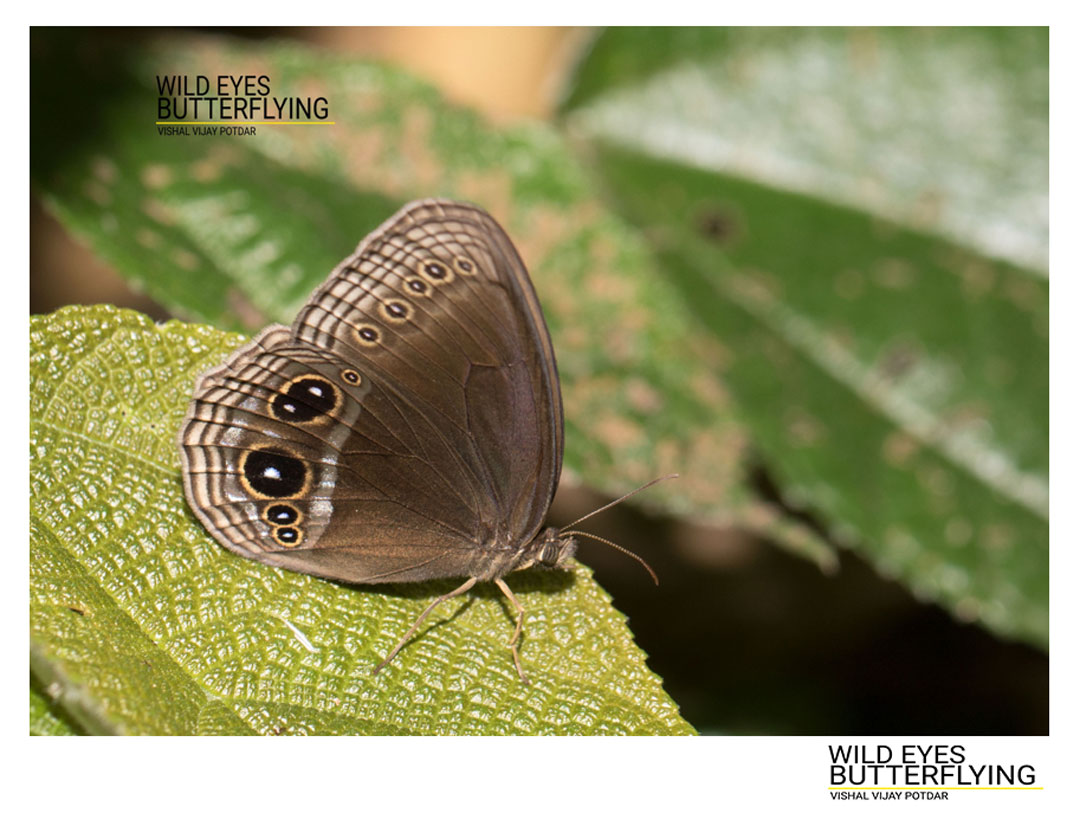
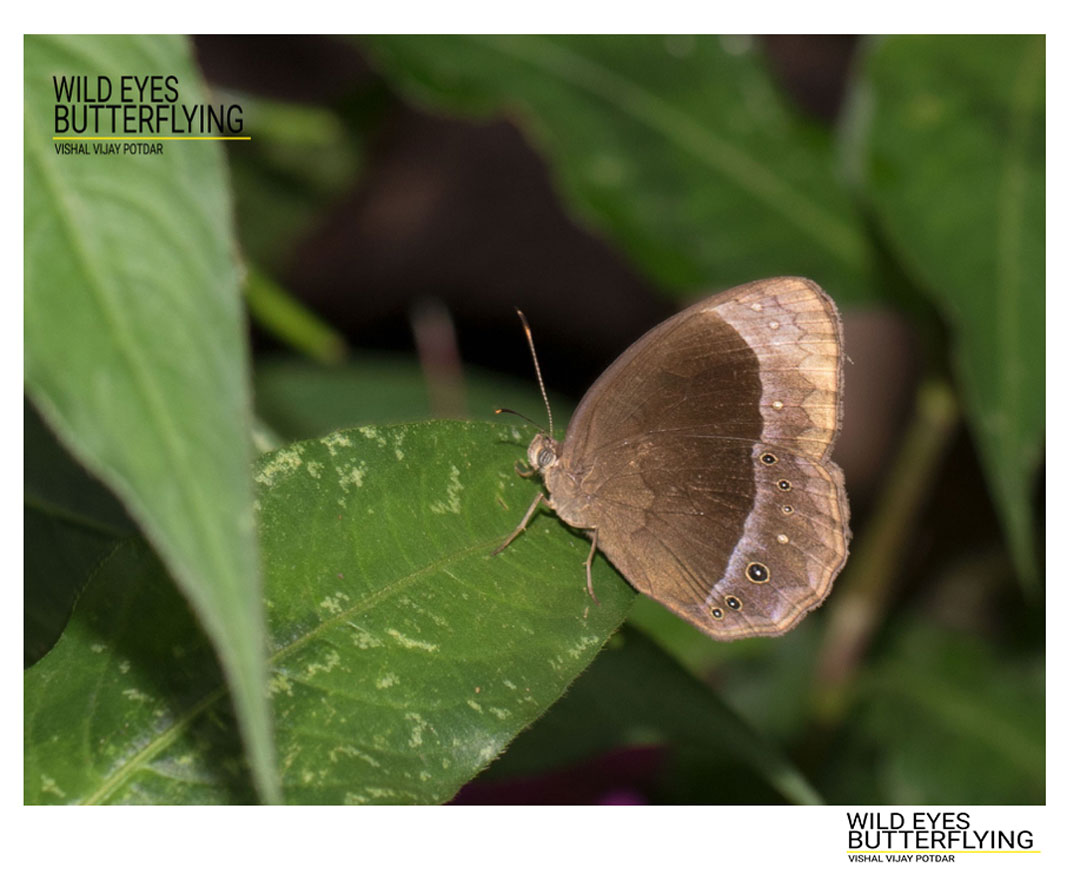
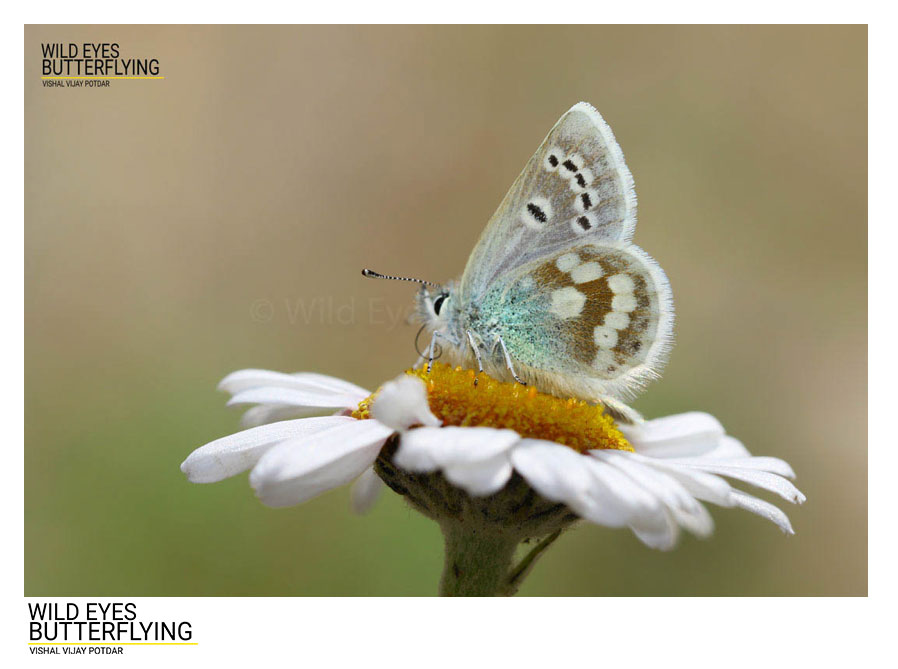
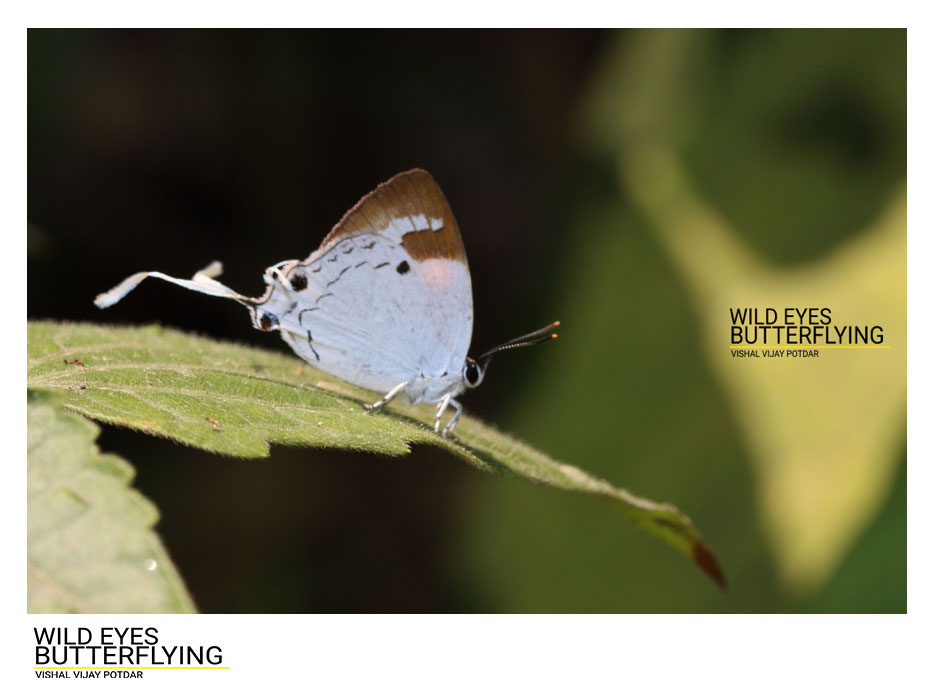
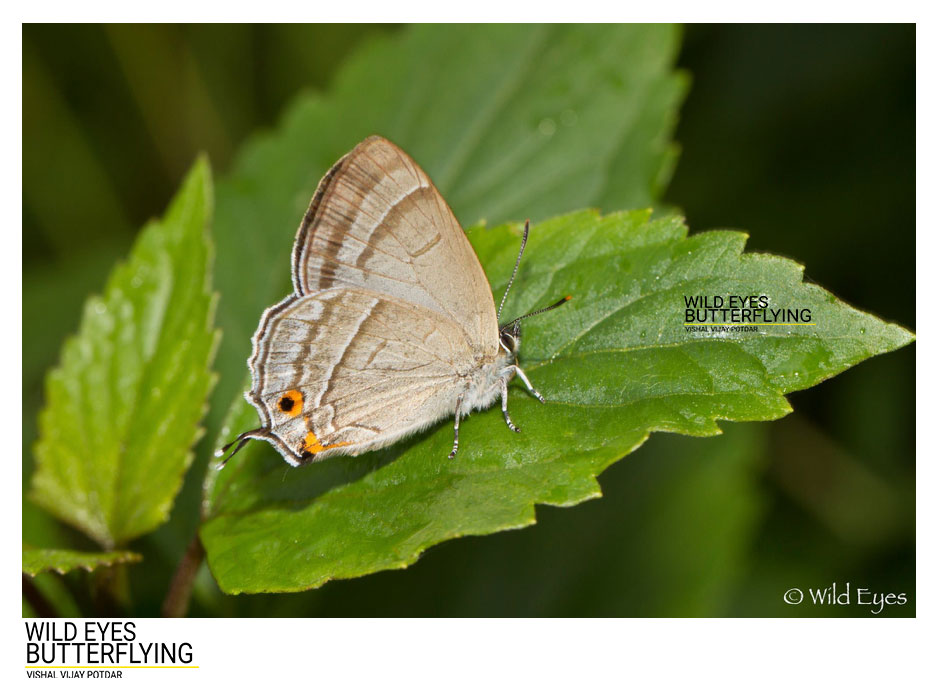
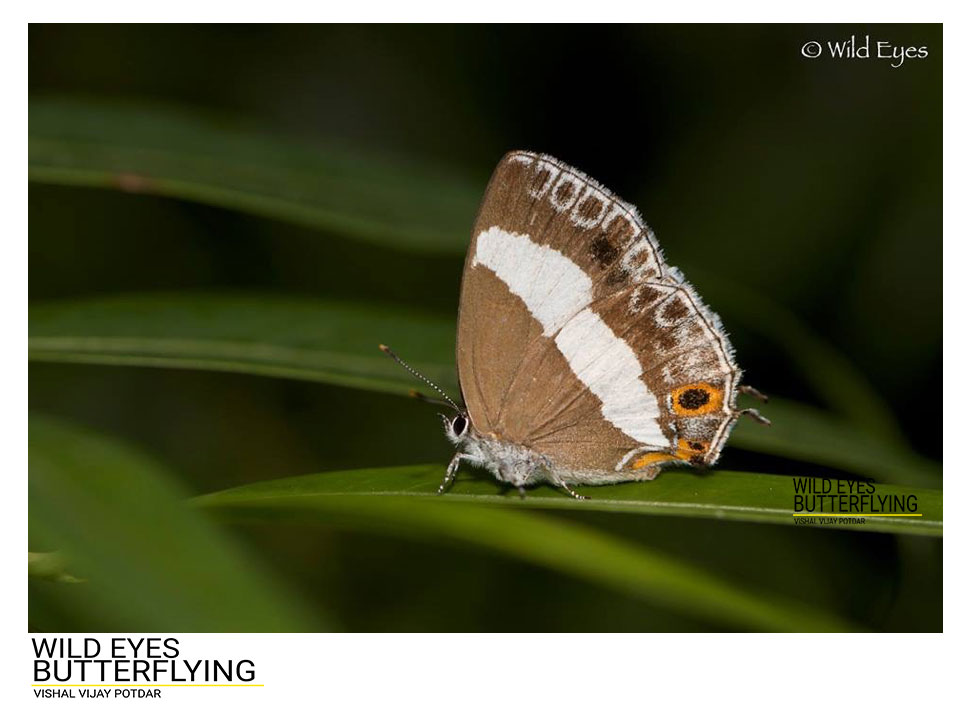
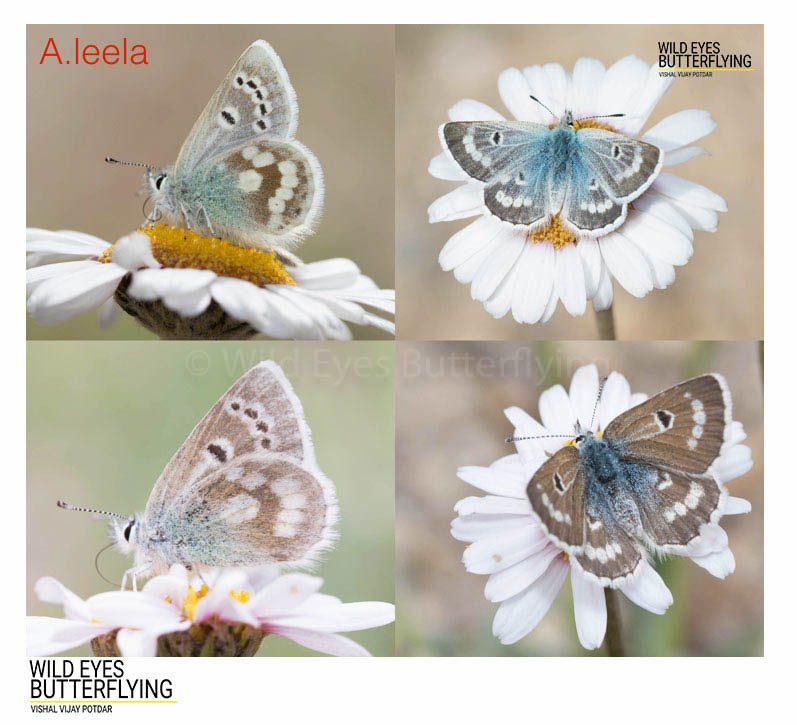
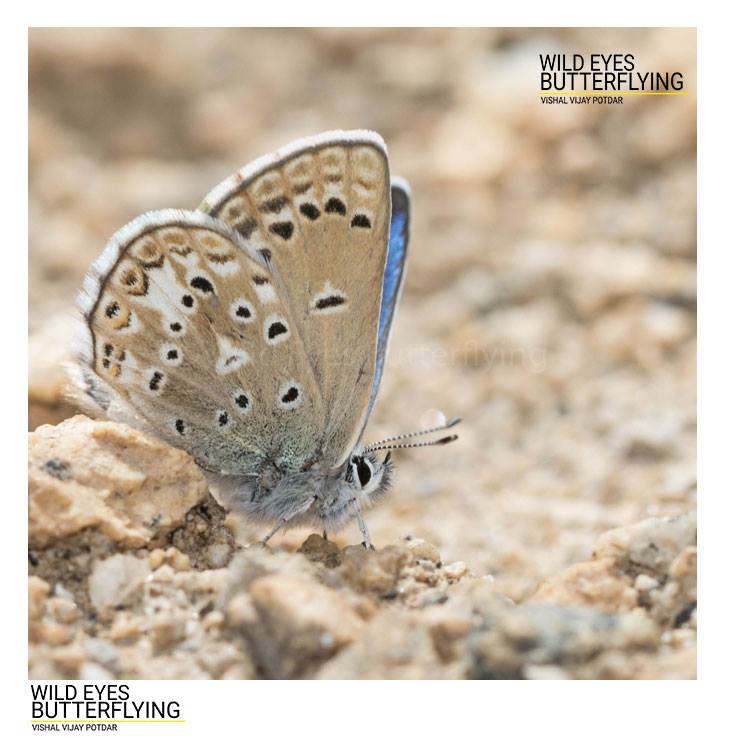
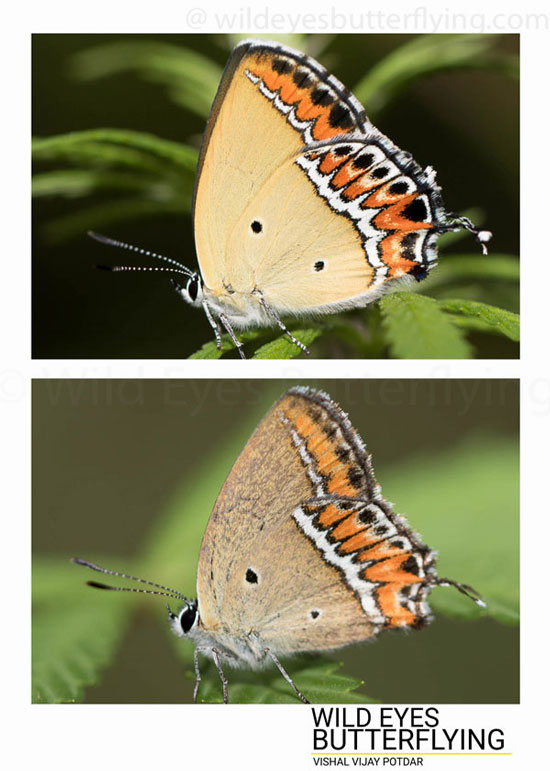
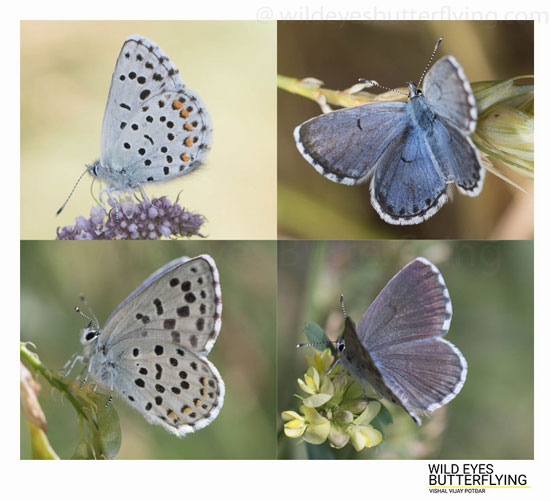
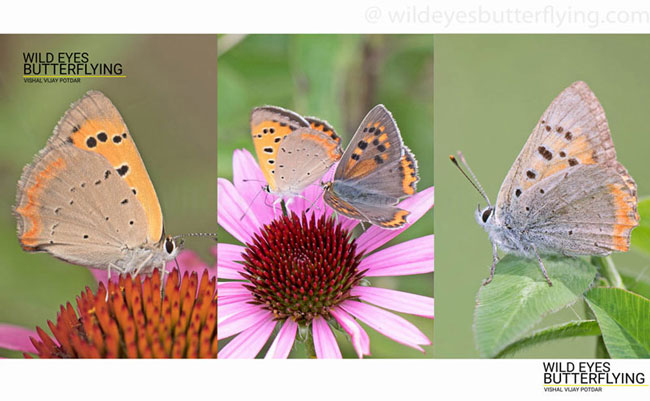
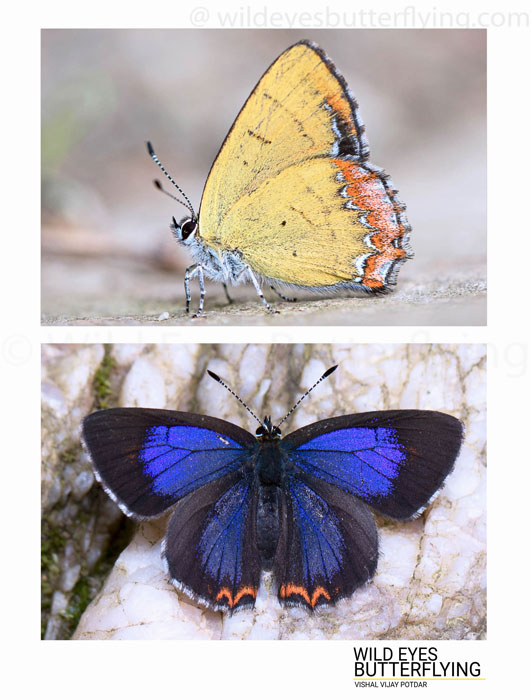
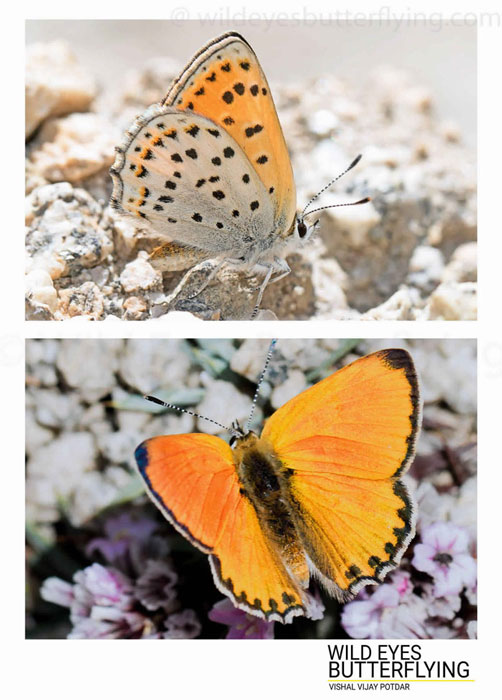
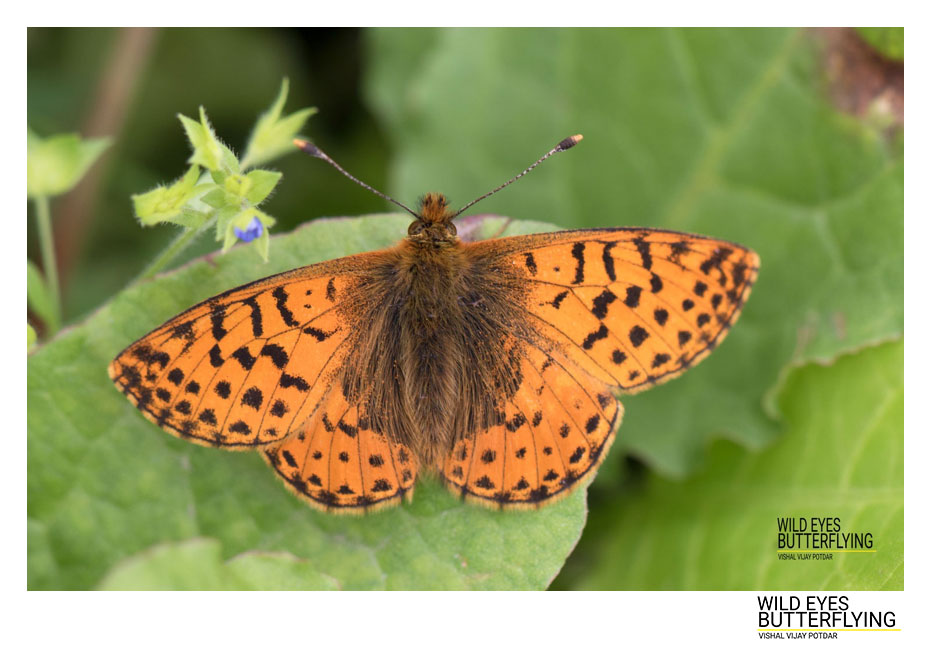
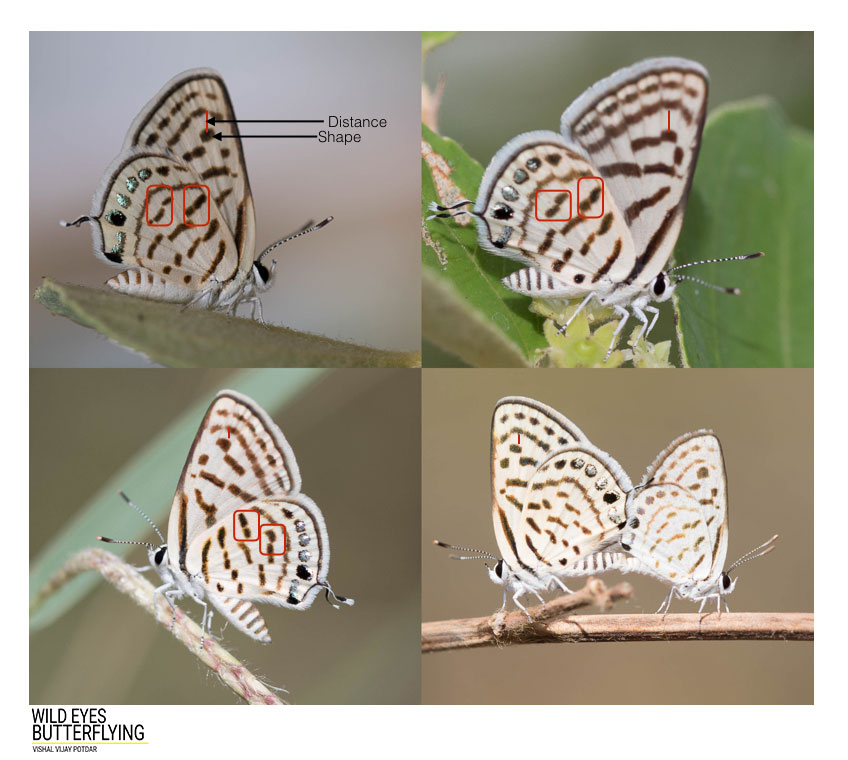
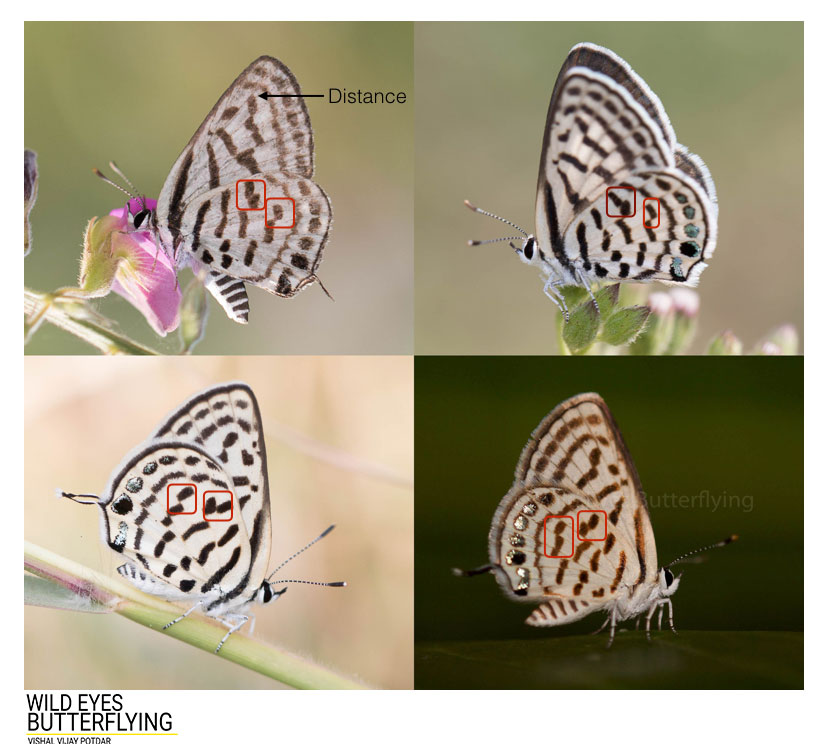
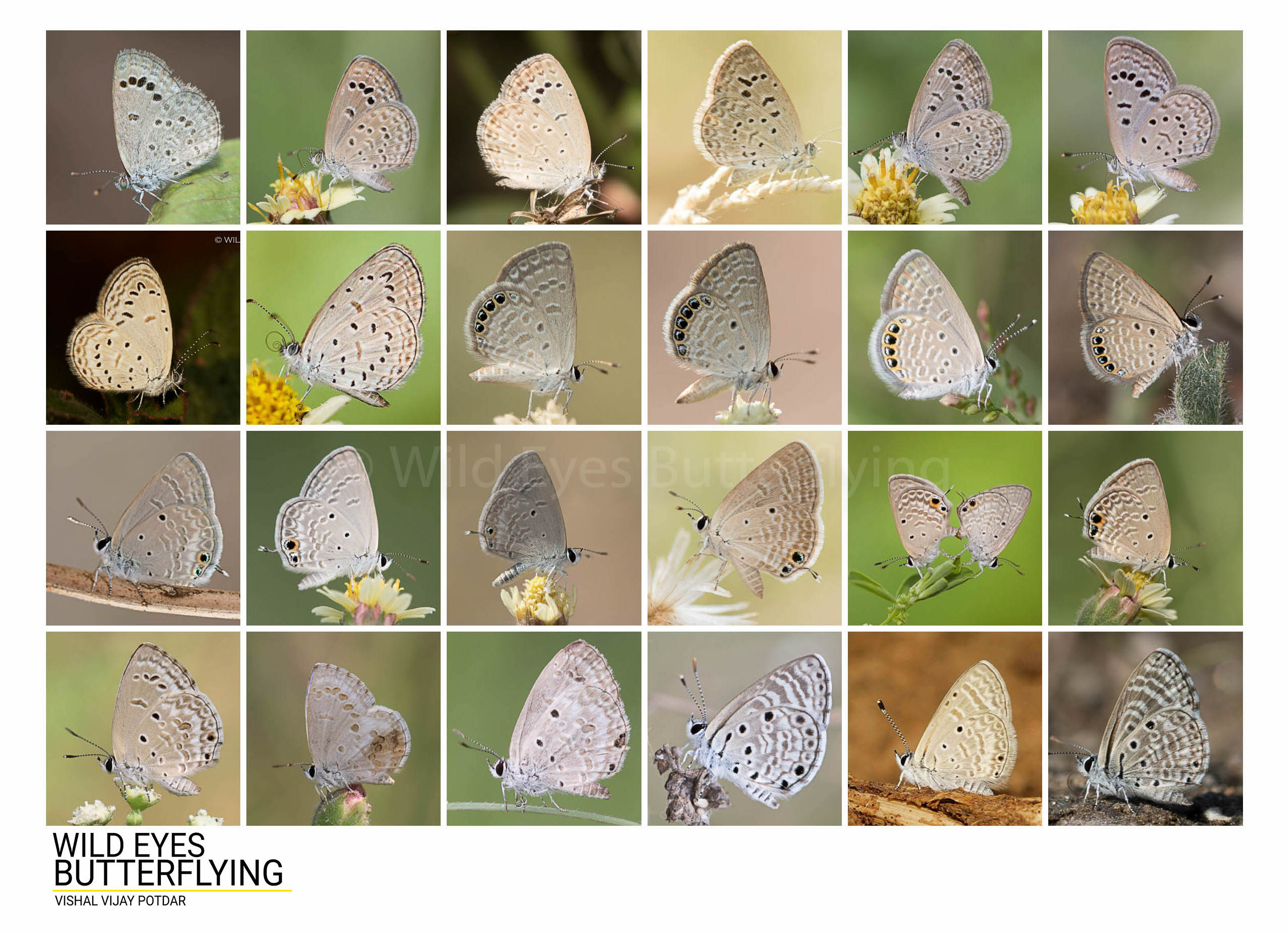
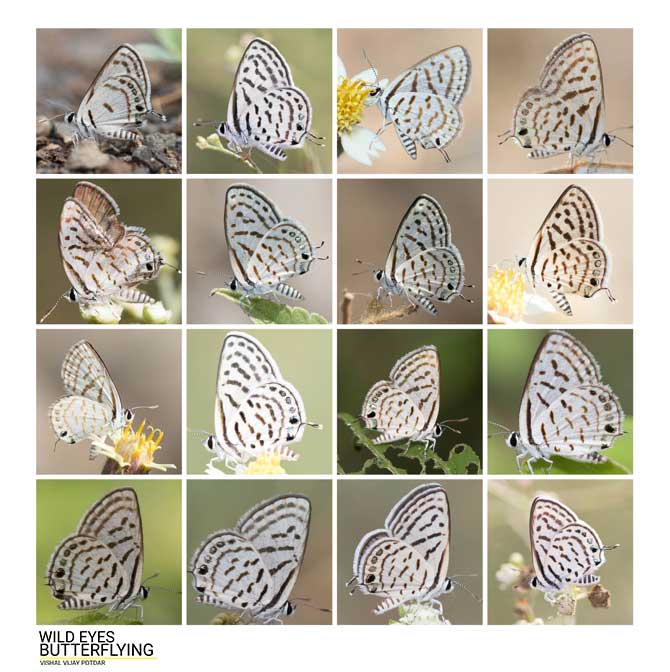
Tarucus Identification is very tricky. Tarucus is fairly common in North Maharashtra.I ll be sharing my observations and views on methodology i have adopted. Main Problem is all looks very same when you see them for first time.
-
-
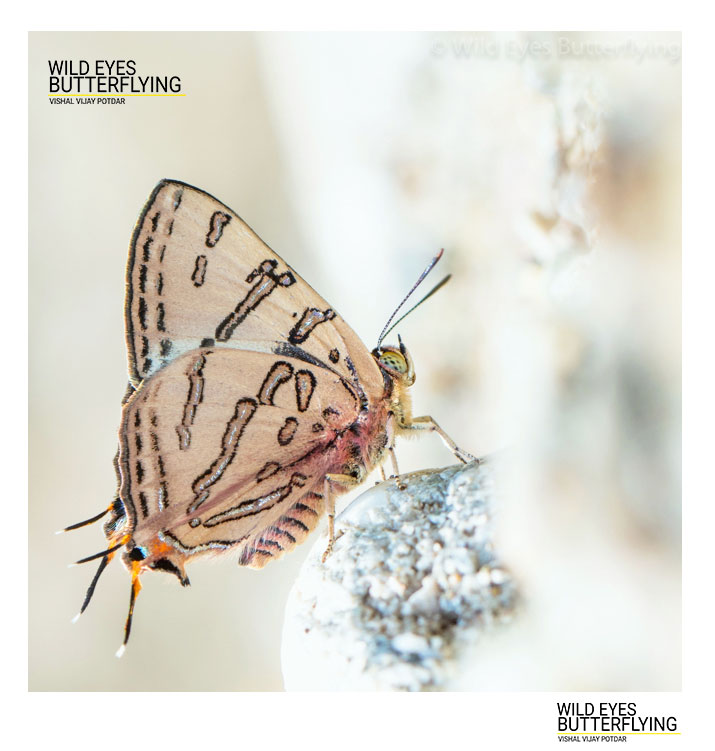
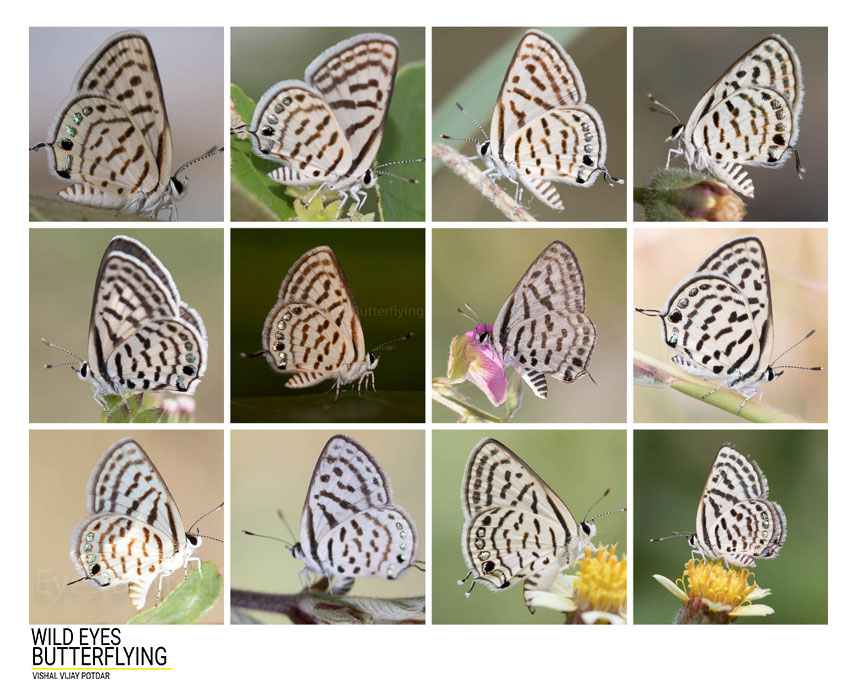
Tarucus Male
-
-
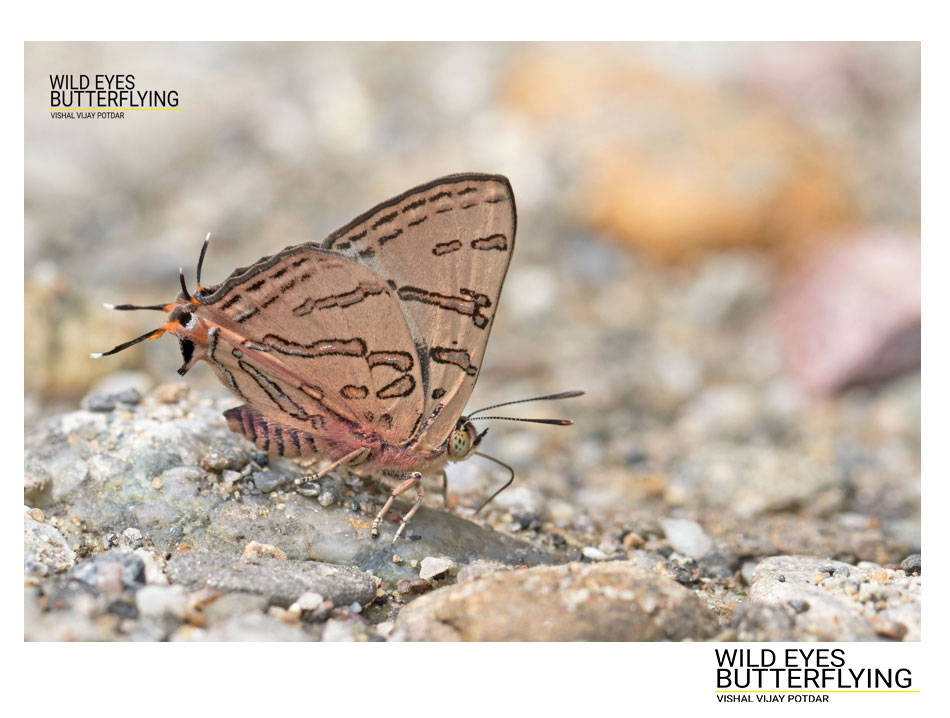
Tarucus Female
But once you start observing you ll get some new information daily.
Observations is THE KEY for this beauty.Now I ll request you before proceeding ,
read all available books and Scientific Papers available on Tarucus , Search web also ( IFB website ) Now after going through all this data,make your own notes under headings 1) Species 2) location 3) Season 4)Host plants . So now once you spotted Tarucus ,your objective is try to photograph both Open wings and close wings shot of every specimen in surrounding. Now compare the Shots with available photos in books and Online ( IFB -Ifoundbutterflies.org , Flutters.org are the best source of information on Indian butterflies )and put them under headings of male and females. If you are able to differentiate between Male and female Tarucus ,then Next step is to observe
Open wings of male tarucus & Close wings of female Tarucus
Purpose of writing this is not for promoting my Identification keys but to take you one step towards Identification.Thease are only Pointers.
1) Tarucus Male Open wings
2) Tarucus Female Open wings
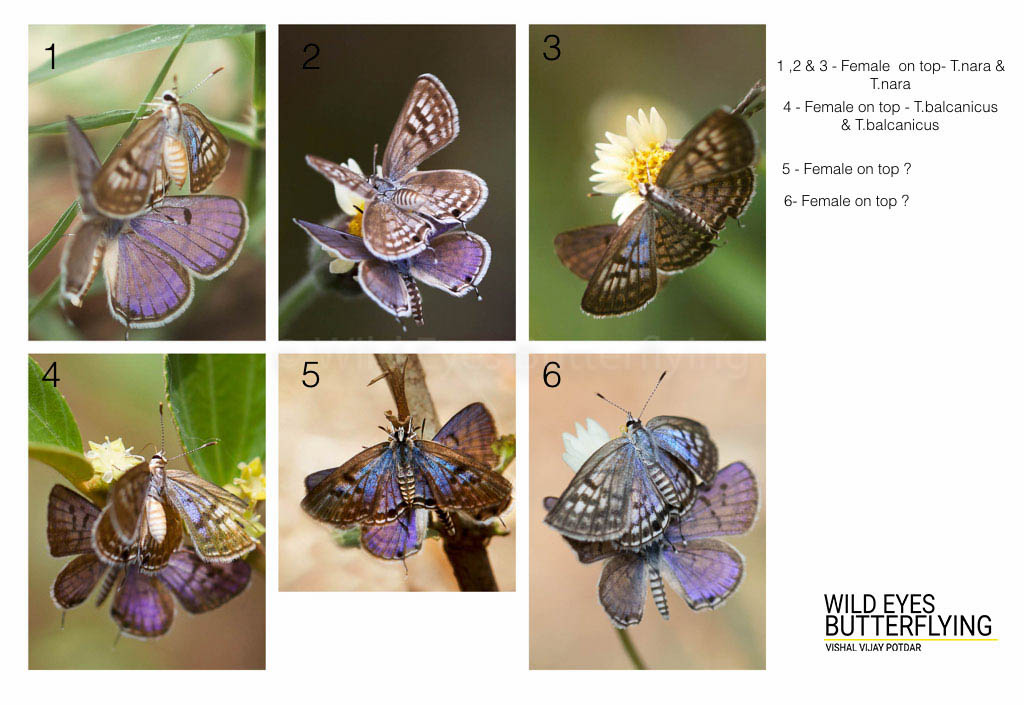
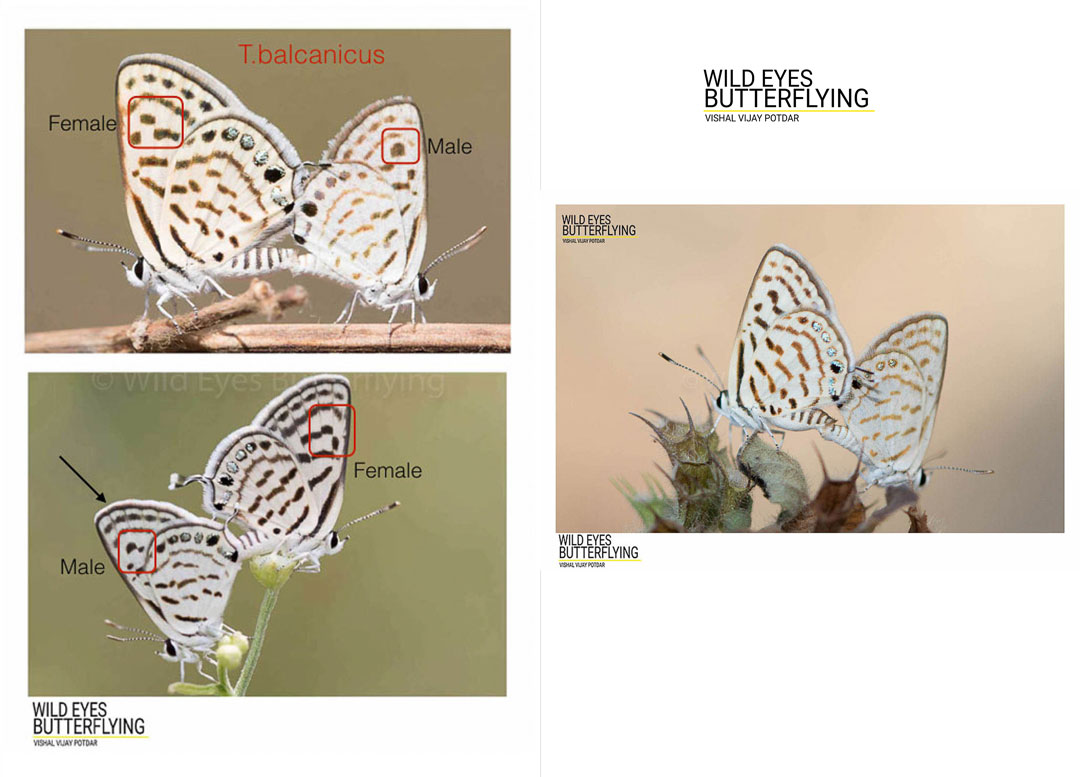
Now Once you Confirm Which One is Male & Which one is female ,Try to photograph them together ( Courtship )
3) Courtship –
Observing Courtship behaviour ll help you in understanding and confirming female identity. As Male tarucus is easy to ID as compared to female,so if you can identify male as T.nara,you
CAN ID female as T.nara. ( But its NOT TRUE in many cases ) Use this only as a supporting data.
Now lets try to
ID -Tarucus Male
For
Male Tarucus –
Easy way is –
Open Wings
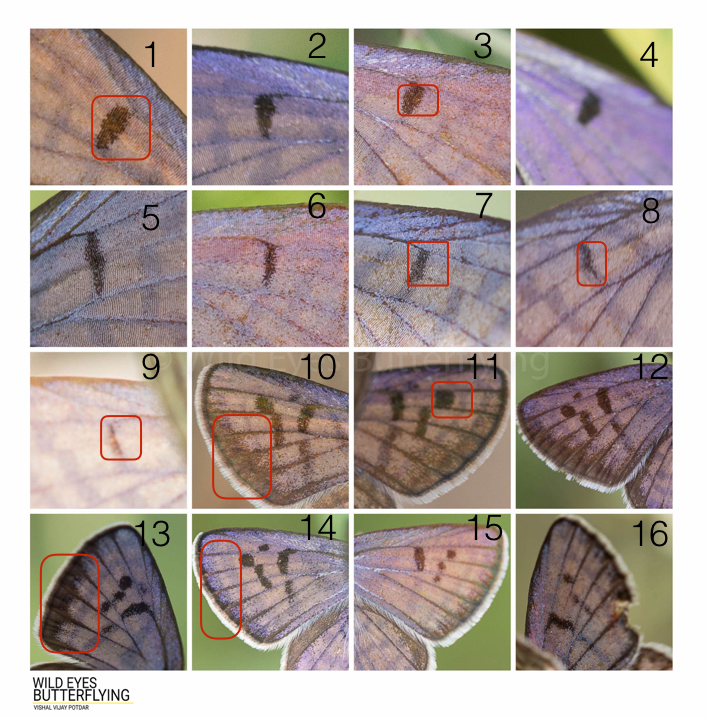
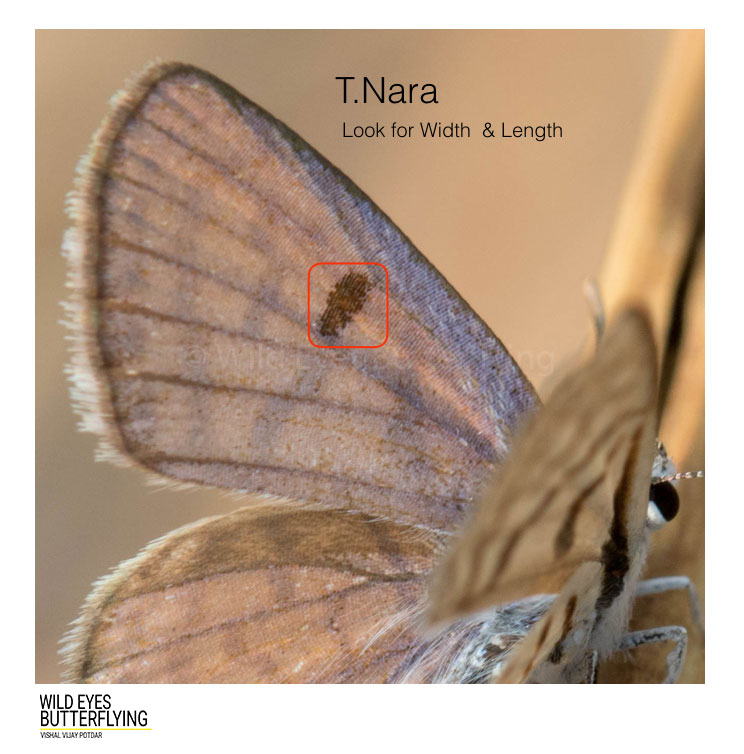
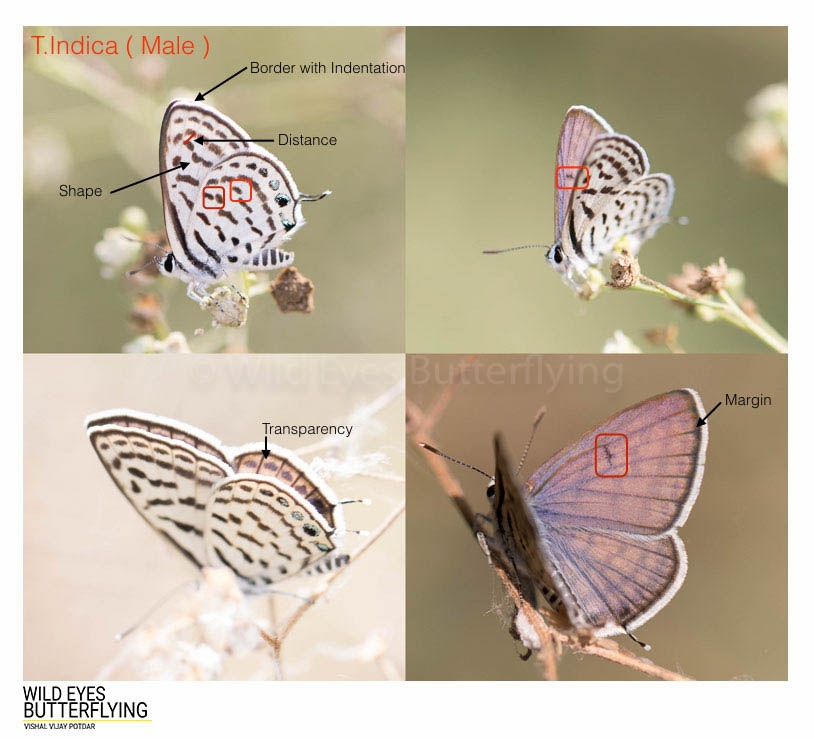
Now Look for the following area Marked 1) Size 2) Shape 3) Colour 4) Pattern 5 ) Border 6 ) Additional areas.
T.nara ( Male )
-
-
T. nara ( Male )
-
-
T.Indica ( Male )
-

-
T.Indica ( Male )
- These are observations from very restricted area in Maharashtra
- There are only 4 Tarucus species reported from Maharashtra out of which T.Indica & T.callinara reported by me in recent years. I spotted T.callinara only twice in 2 years.
- So when i see different constant variations in open wing patterns ,question is where to put them – As variations ?sub species ? or new species ? Reasons can be endless like DSF/WSF , MIGRATION OR INTERBREEDING (True and scientific answers ll get only after observing Tarucus in CONTROLLED environment like in Lab I guess OR by any other scientifically proven methods )
Now whatever i am going to share with you here is my own methodology .its
non Scientific and not proven ( I might be wrong ) so don’t use it unless it is proven scientifically ,rather use them as pointers
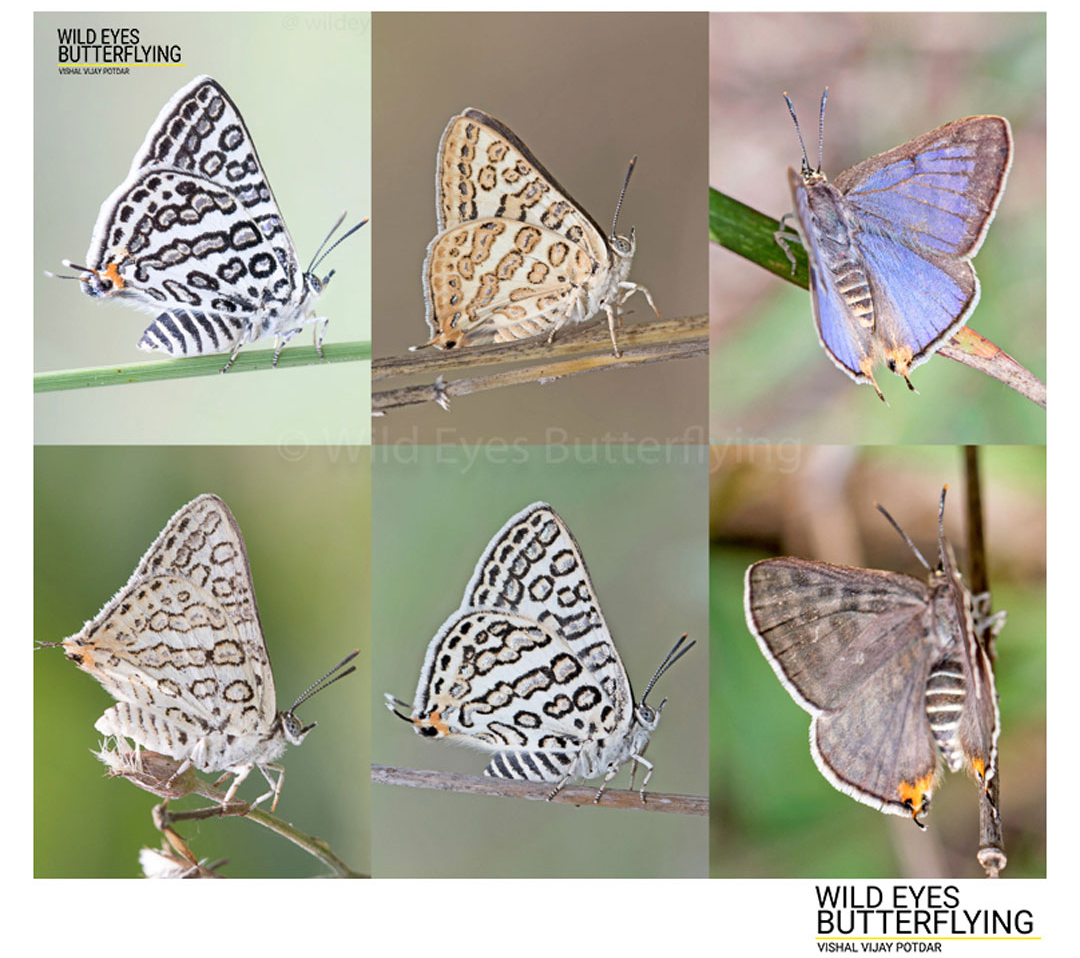
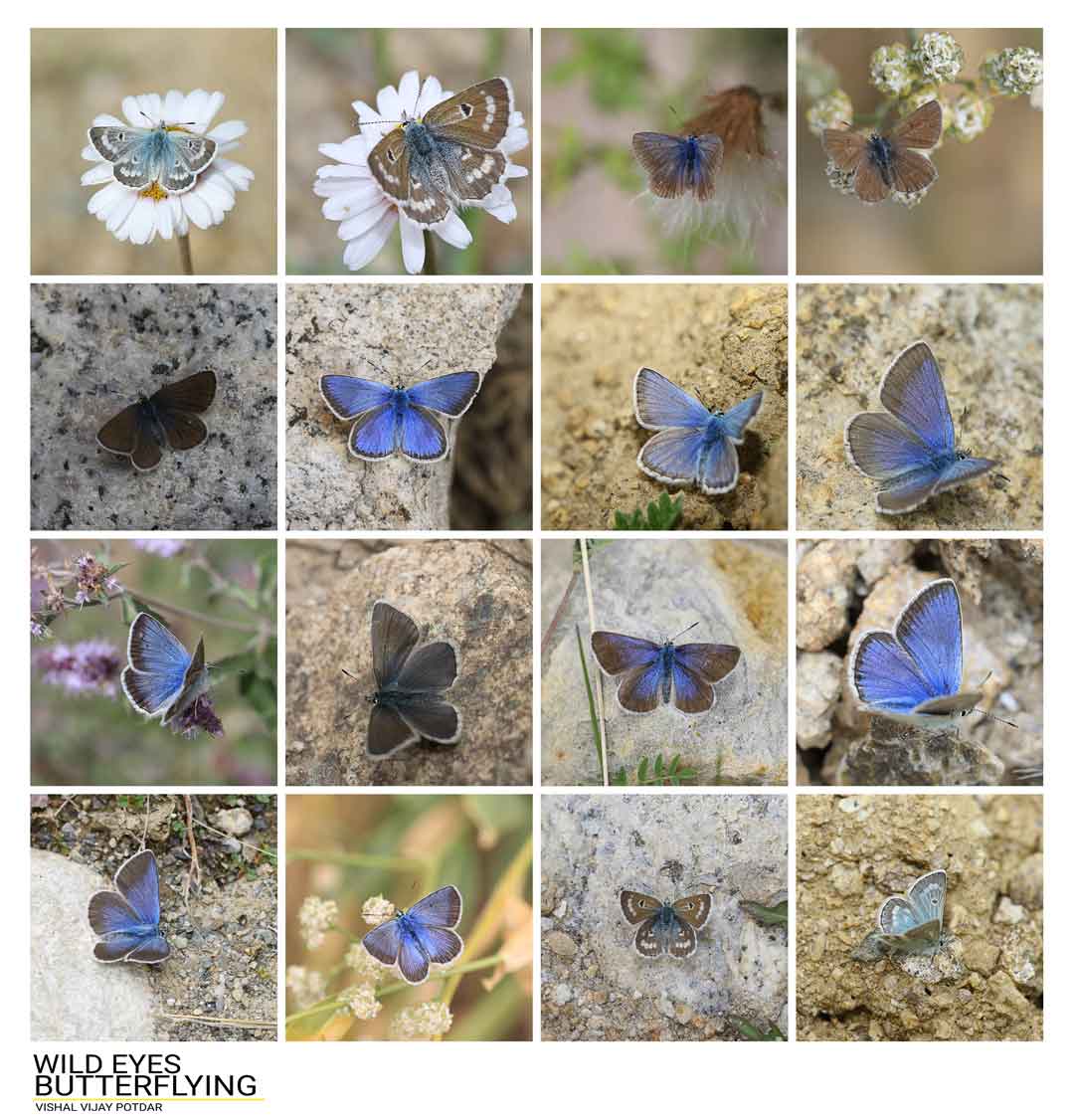
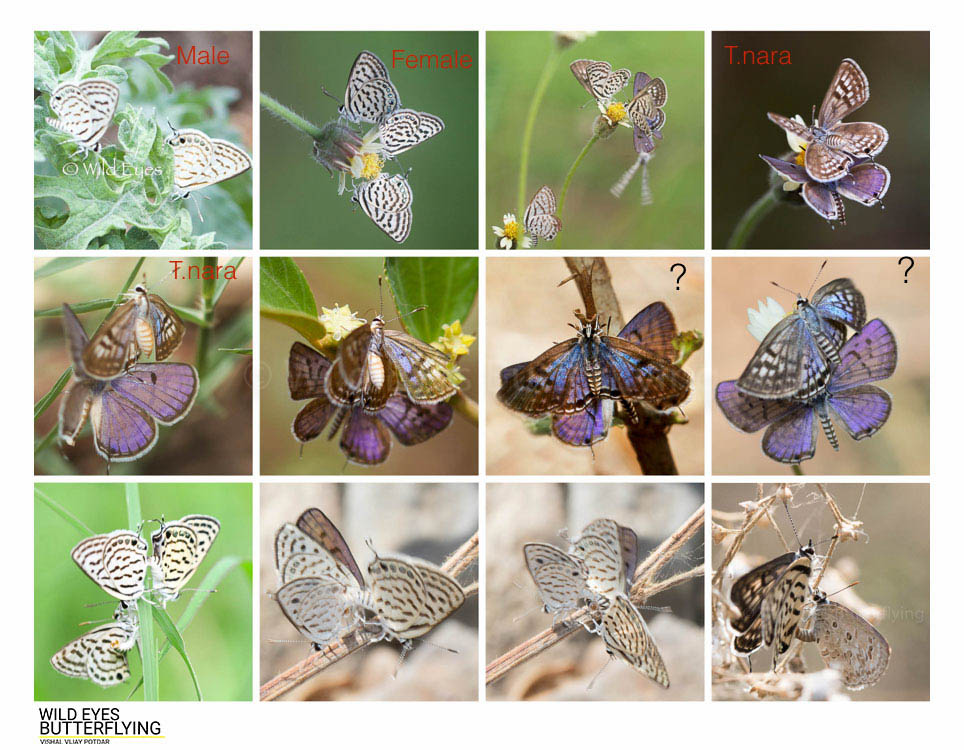
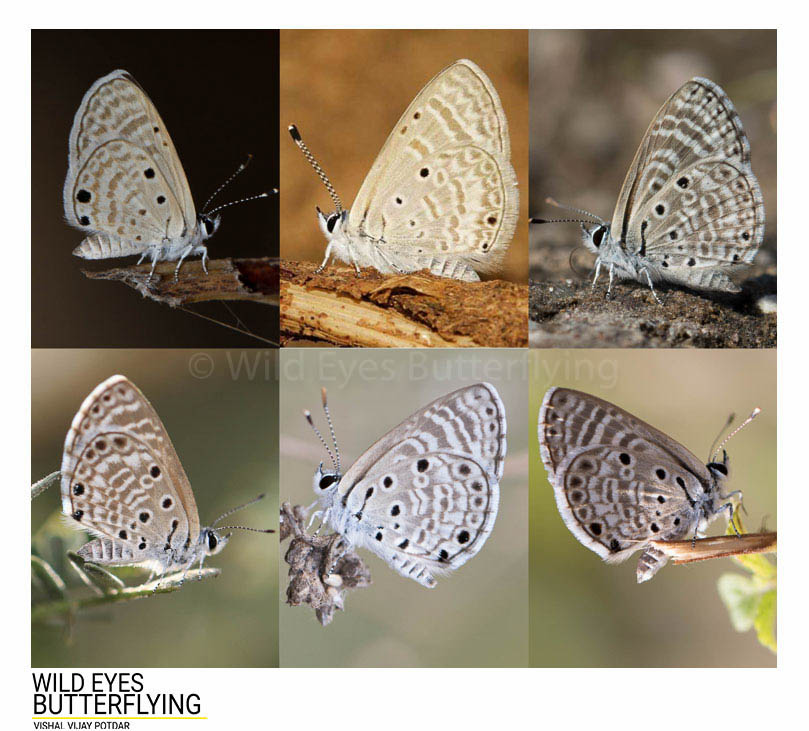
First lets have a look at different Open wings of male Tarucus
- Image 1 to 5 – T.nara
- Image 6 – May be T.nara/T.callinara
- Image 7 to 9 – T.Indica
- Image 10 onwards -T.balcanicus OR T.venosus OR something else
We ll come back to this Male Tarucus again, But now lets have a look at Female
Tarucus Female
Look at these Poiters and compare with available images on web & in the books .In 1 and 3 slide there is mating photo which is of
Paramount Importance for many reasons.I ll discuss this with more photographic data in next post.
Summary –
As there are only 4 proven Tarucus Species documented from Maharashtra .T.Indica and T.callinara reported by me from north maharashtra first time. Tarucus season starts from June onwards. with T.nara and at the end of July T.balcanicus frequency increases.from July onwards I spoted nara and balcanicus both in equal frequency.Now strangely there is Gap in month of Sept.( count is very less ) Mid October is again good start.T.indica started appearing. Following are the changes observed
- Colour – from Violet to Blue
- Border – Border with indentation is seen prominantly in T.nara , T.indica ( Difference between them can be make out once seen T.indica.)
- Females are larger than males and lives in group. lives near by host plants. prefer selective perch also
- Courtship behaviour is strange and of Paramount importance to know the true facts of this small beauty
Interbreeding – ??
I am thankful to
Mr Paresh Churi &
Mr Blaise Pereira for showing me this beautiful world of Tarucus .My sincere thanks to
Mr Ashok Sengupta sir who helped me endless time in my initial days, identified T.callinara & T.Indica for me.All of them having pioneer work in the field of Tarucus. I am thankful to
Mr Sunny Chir Sir also,He identified T.Indica female for me 1 time But thats not the only reason,I respect him for his true and scientific approach towards identification of butterflies and always helping nature. So whatever true and scientific correlation you get from this information credit goes to all of them .whatever Unscientific and wrong you find,its on me.
Again I request you these are
non Scientific and not proven Pointers ( I might be wrong ) so don’t use it unless it is proven scientifically ,rather use them as pointers.